
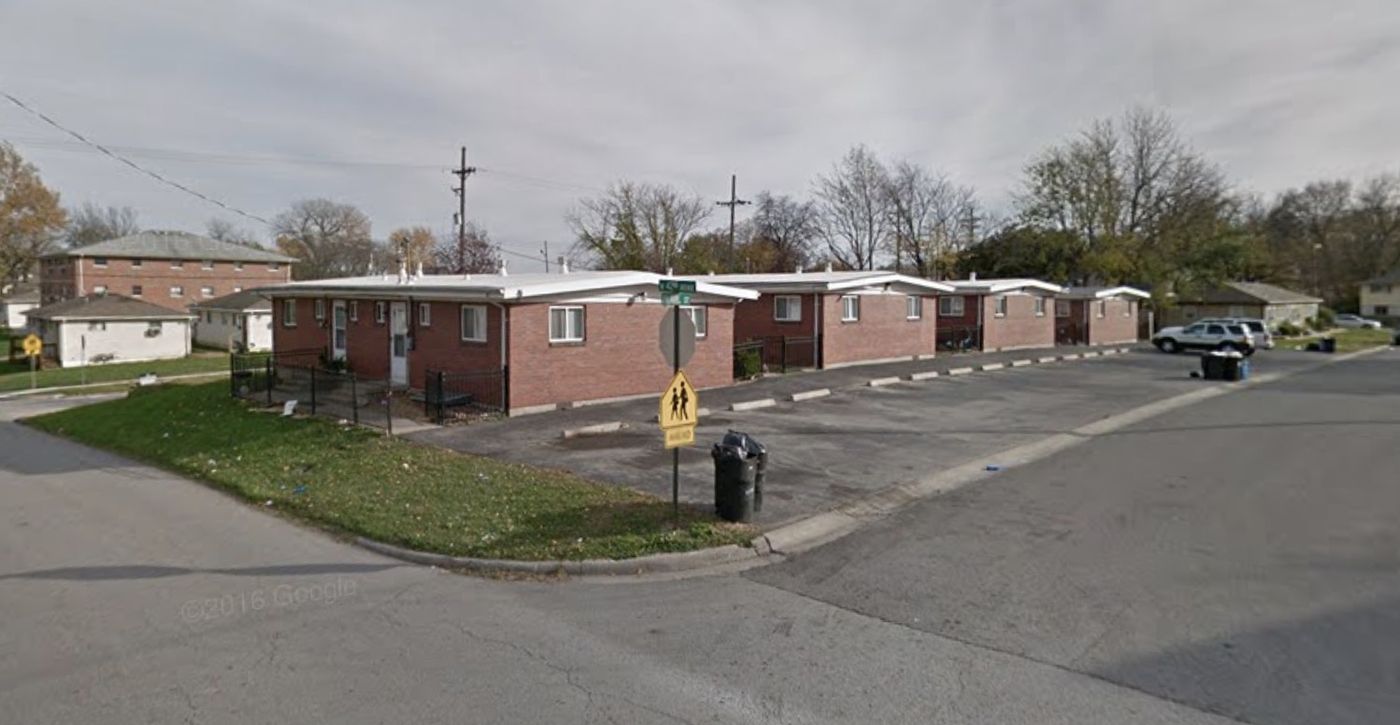
On January 1, 2027, a new map of federal Opportunity Zones takes effect, including 131 census tracts in Missouri and 53 in Kansas. For investors sitting on capital gains, from a stock sale, a business sale or a property sold without a 1031 exchange, it’s the first new opportunity to defer and reduce those taxes in nearly a decade.
What an Opportunity Zone is
Opportunity Zones are low-income census tracts nominated by each state’s governor and certified by the U.S. Treasury. Created by the 2017 tax law, the program rewards investors who put capital gains into a Qualified Opportunity Fund (QOF), a partnership or corporation that invests in property or businesses inside those tracts. You generally have 180 days from the date of the sale that produced the gain to invest it in a fund.
The 2025 federal tax law made the program permanent. Instead of expiring, the map is now redrawn every ten years, and the first new map runs January 1, 2027, through December 31, 2036.
The tax benefits for investments made in 2027 and later
| Benefit | How it works |
|---|---|
| Deferral | Tax on the original capital gain is postponed for five years after the investment, or until you sell the fund interest, if sooner. |
| Reduction | Hold for five years and 10% of the deferred gain is permanently excused. For funds that invest primarily in rural zones, it’s 30%. |
| Tax-free growth | Hold the fund investment for at least ten years and the appreciation on it can be excluded from federal capital gains tax when you sell. |
The third benefit is the big one. On a successful long-term project, tax-free appreciation can be worth far more than the deferral itself.
Opportunity Zone or 1031 exchange?
Both defer taxes, but they solve different problems. Many investors use them together over time.
| 1031 exchange | Opportunity Zone fund | |
|---|---|---|
| Gains that qualify | Sale of investment or business real estate | Any capital gain: stock, a business, real estate |
| What you reinvest | All proceeds, to defer all the tax | Only the gain; you keep your original capital |
| Deadlines | Identify in 45 days, close in 180 | Invest within 180 days |
| How long tax is deferred | Until you sell without exchanging again | Up to five years |
| Tax-free growth | No; gain is deferred, not forgiven | Yes, after ten years |
| Where you can invest | Anywhere in the U.S. | Only designated zones |
See our 1031 exchange guide for the exchange rules.
The real estate rules that shape the deal
- Improve it, don’t just buy it. A fund generally can’t simply buy an existing building and hold it. Within 30 months it must invest in improvements at least equal to what it paid for the building (land excluded). The new law cuts that requirement to 50% in rural zones. Ground-up construction and true value-add renovation fit naturally; light cosmetic updates usually don’t.
- The deal must work on its own. The tax benefits improve a good project; they don’t rescue a bad one. Underwrite the rents, construction costs and exit as if there were no tax break.
- Ten years is a long hold. The largest benefit requires patient capital and a sponsor you trust for a decade.
- Structure matters. Funds have their own setup, testing and reporting requirements. Work with an attorney and CPA who handle QOFs regularly.
Timing note for 2026: gains deferred under the original program become taxable on December 31, 2026, regardless of when they were invested, so many investors with fresh gains this year are evaluating whether to wait for the new 2027 rules. If you deferred gains into an Opportunity Zone fund in prior years, plan now for the tax due with your 2026 return.
The Kansas City map
Missouri and Kansas both had their nominations certified in November 2026. The new map is smaller than the original. Missouri goes from 161 zones to 131, and Kansas from 74 to 53, because governors could nominate only a quarter of eligible tracts.
- Kansas side: the Kansas Department of Commerce’s list includes 8 tracts in Wyandotte County and 5 in Johnson County, along with tracts in Douglas, Leavenworth and other counties.
- Missouri side: Missouri’s 131 approved tracts are published by the Missouri Department of Economic Development. Check it for tracts in Jackson, Clay, Platte and Cass counties.
- Check the exact tract. Zone status is set by census tract, not neighborhood or ZIP code. Neighboring blocks can fall on opposite sides of the line, and some original zones didn’t carry over to the new map. Confirm the specific parcel before you underwrite on the assumption that it qualifies.
Official sources: the Kansas Department of Commerce Opportunity Zones 2.0 list and the Missouri Department of Economic Development.
Where PROKC fits
We’ve spent two decades buying, rehabbing and repositioning property in Kansas City’s older neighborhoods: value-add multifamily, mixed-use and redevelopment along transit corridors. That’s the kind of work the Opportunity Zone rules reward. We can help you:
- Confirm whether a property sits in a new 2027 zone.
- Find on- and off-market properties inside designated tracts.
- Pressure-test renovation budgets against the improvement requirement.
- Connect you with attorneys and CPAs who structure Opportunity Zone funds.
This article is general information, not tax, legal or financial advice. Every situation is different — consult your CPA, attorney and a qualified intermediary before acting.